Mid Century Modern Doesn’t Have to Cost a Fortune
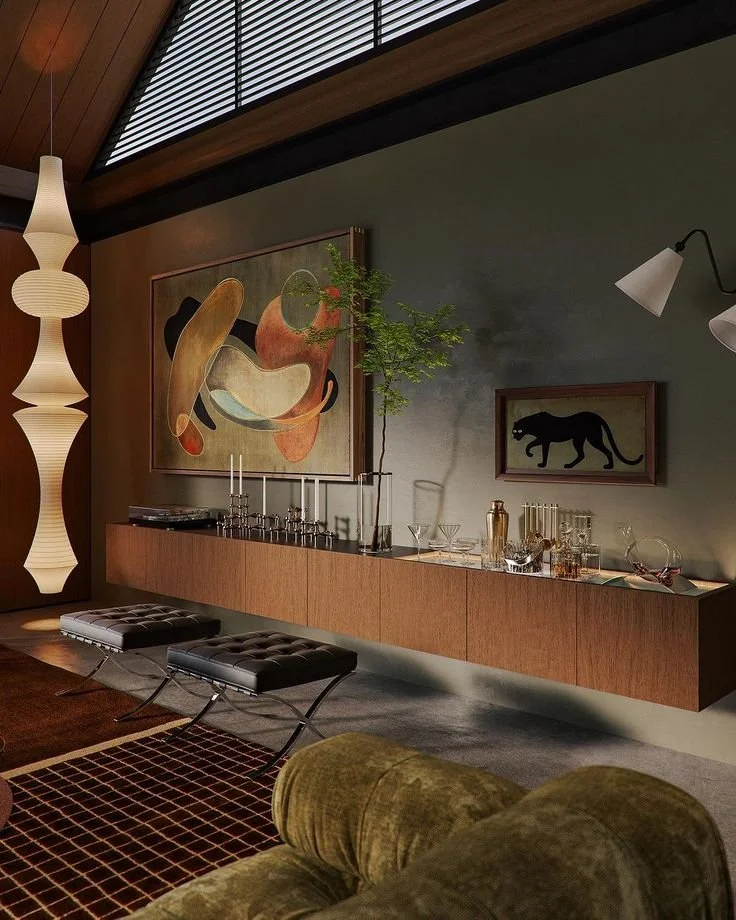
For a style built on simplicity, mid century modern has become surprisingly expensive.
The names we all know, Eames, Noguchi, Saarinen, live in showrooms and auction houses now, photographed in homes where nothing is ever out of place. Somewhere along the way, a movement that celebrated practical, well made design became another luxury aesthetic to aspire to.
But the real appeal of mid century modern was never about owning icons. It was about living with objects that were thoughtfully designed, built to last and beautiful enough to become part of everyday life.
That’s why some of the best mid century inspired homes aren’t necessarily filled with collector’s pieces, they’re built gradually, one find at a time.
A solid teak side table discovered in a charity furniture warehouse. A pair of chrome candlesticks from an antique centre. A green velvet sofa that nods to the seventies without pretending to be vintage. And a stack of black and white photography books rescued from Oxfam, their pages framed instead of forgotten. The result feels less like a showroom and more like a home.
One of the easiest ways to bring that feeling into a room is through colour and texture rather than statement pieces. Rich olive greens, warm walnut, brushed chrome, smoked glass, boucle, wool and natural linen all sit comfortably together because they’re materials first and trends second.
The high street has quietly become rather good at this.
M&S has been producing cushions that wouldn’t look out of place in far more expensive interiors, particularly anything with geometric patterns, earthy tones or tactile fabrics.
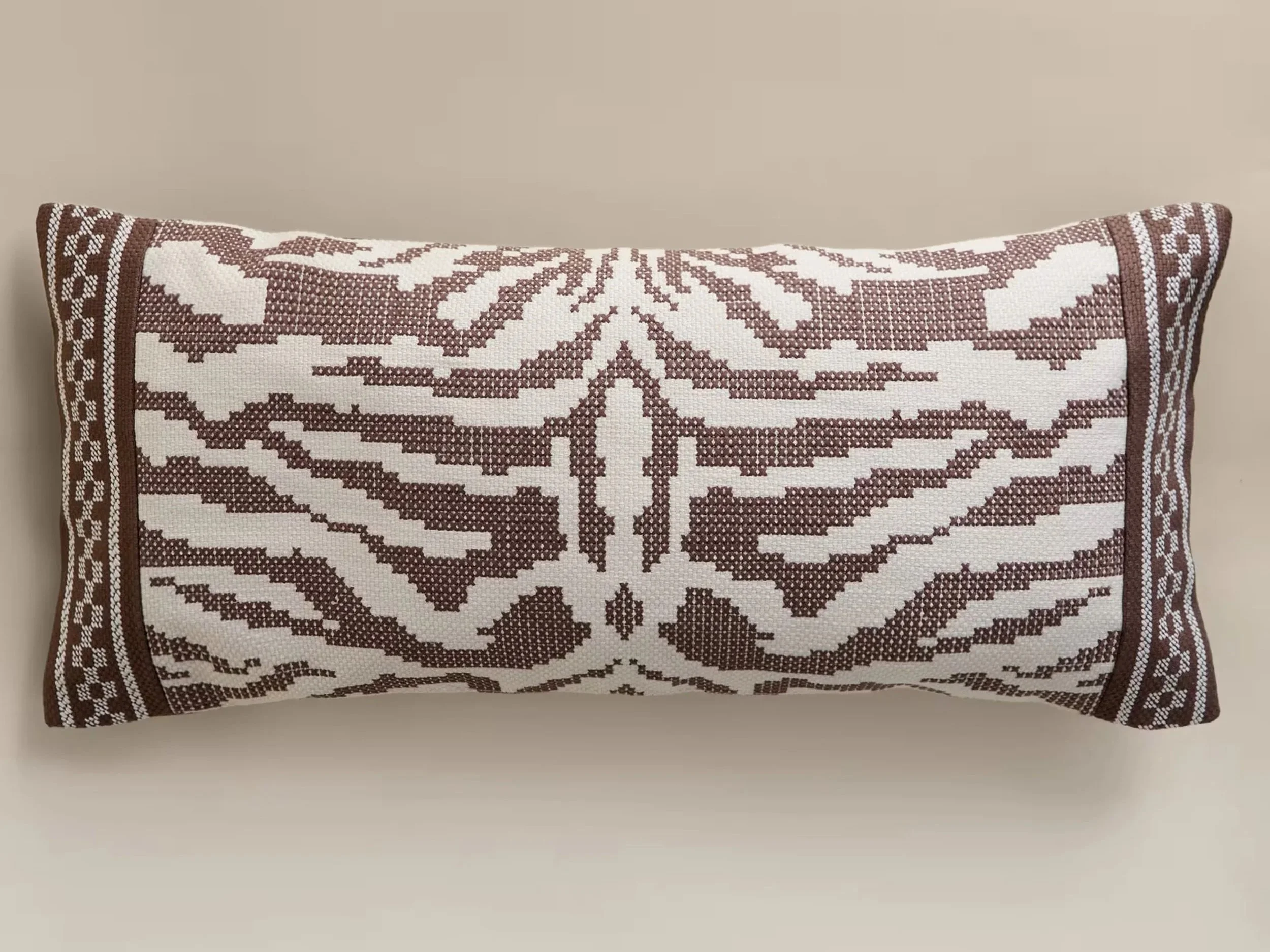
M&S Pure Cotton Abstract Embroidered Bolster Cushion - £35
Dusk’s deep green sofas have the low, relaxed silhouette that defined so much post war furniture. Layering them with vintage pieces instead of buying everything new makes the room feel collected rather than overly curated.
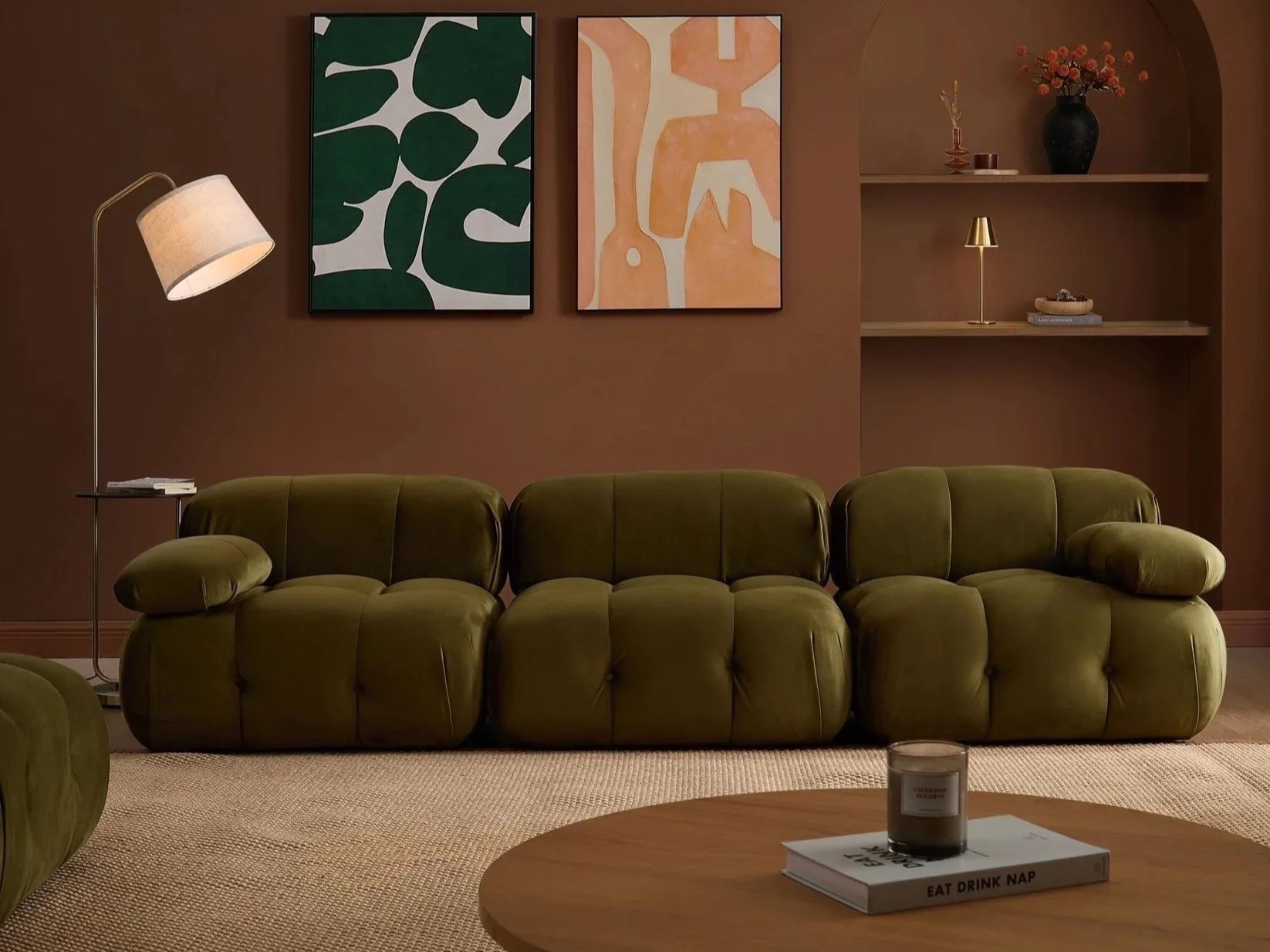
Dusk Bondi 3 Seater Sofa - Rich Green - £899
The secret isn’t spending more. It’s mixing decades; old with the new. A contemporary sofa beside an original teak cabinet. Modern lighting above an old dining table. New linen curtains framing inherited furniture. The conversation between objects is always more interesting than buying an entire room from one place.
Then there are books. Second hand photography books are perhaps the most overlooked decorating tool there is. Search for old books on architecture, modernist buildings, fashion photography or documentary work. Instead of treating them as decoration, open them. Tear out a page if the book is damaged beyond saving, frame it, and suddenly your walls tell a story that generic online prints sometimes struggle to do.
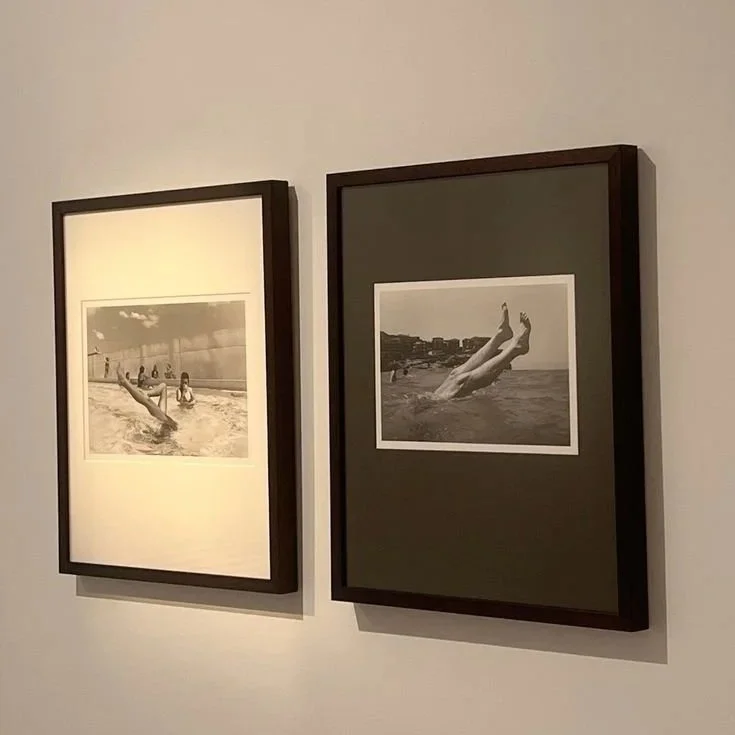
Mid century homes were never sterile. They were lived in. They held records, ceramics picked up on holidays, houseplants growing a little too wild, infiltrating the space, coffee rings on wooden tables and books that had been read more than once.
The internet will tell you that you need an Eames lounge chair to achieve the look. You probably don’t; you need patience.
Search Facebook Marketplace for G Plan and Wassily chairs instead of “mid century.” Visit charity furniture warehouses before design fairs. Wander around antiques centres without a shopping list. Learn the difference between veneer and solid wood. Let your home evolve.
Because the rooms that feel most timeless are rarely the ones that were finished in a weekend. They’re the ones that were collected over years, each piece arriving with a story, until one day the house starts to look unmistakably like the person living in it.